
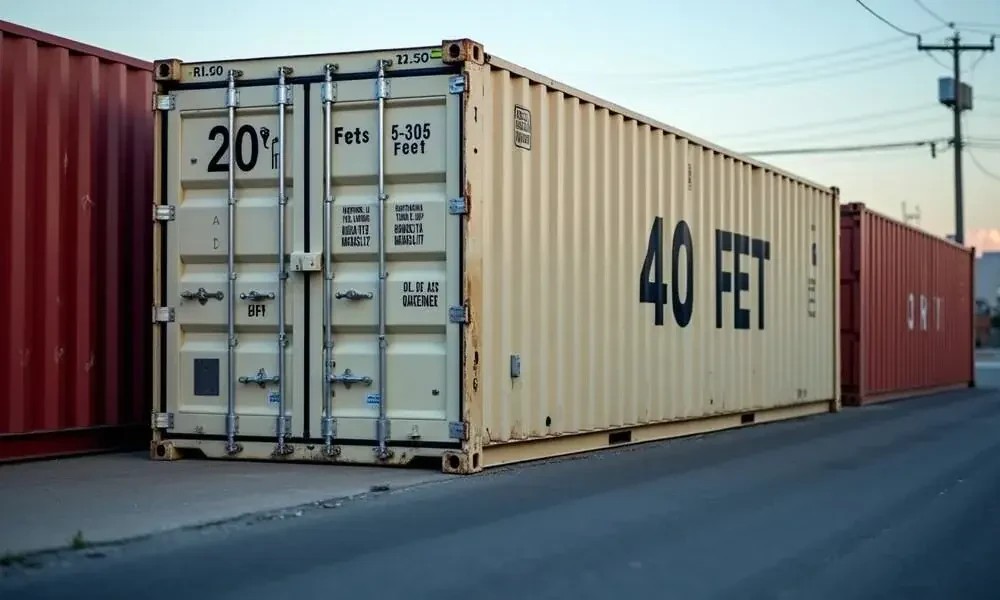
Locating a trusted shipping container supplier is not unlike finding a skilled craftsman – reputation, transparency, and a willingness to stand behind the finished product matter far more than the lowest quoted price. Businesses that rely on containers for shipping, storage, or conversion projects need a dealer they can return to with confidence year after year. This article offers practical tips for identifying trustworthy suppliers and avoiding the pitfalls that catch unprepared buyers.
Start With Referrals and Industry Networks
Word of Mouth Still Works
The most reliable route to a trustworthy dealer begins with people who have already made the purchase. Ask colleagues in logistics, construction, or warehousing which suppliers they use and why. A personal recommendation carries weight that no advertisement can match, because it comes with real operational experience behind it.
Trade Associations and Directories
Industry bodies such as the Container Owners Association and regional logistics councils maintain directories of vetted members. Listing in these directories signals that the supplier has met minimum standards for business conduct, product quality, and financial standing. Cross-reference directory entries with independent online reviews for a fuller picture.
“I found our current supplier through a recommendation at a logistics networking event in Singapore. Three years on, they have not missed a single delivery window,” says Priya Nair, supply-chain manager at a regional electronics distributor.
Verify Credentials Before Engaging
Business Registration and Longevity
Check that the cargo container dealer is a registered business entity, not an unregistered broker. In Singapore, the Accounting and Corporate Regulatory Authority (ACRA) register is publicly searchable. A company that has operated for five or more years under consistent ownership demonstrates stability and accountability.
Quality Certifications
ISO 9001 certification indicates that the supplier follows documented quality-management processes. For containers used in international shipping, valid CSC (Convention for Safe Containers) plates are mandatory. Ask to see certificates rather than accepting verbal assurances.
- Confirm ACRA registration or equivalent in your jurisdiction.
- Request copies of ISO 9001 and other relevant certifications.
- Verify that each container carries a valid CSC plate where required.
Assess the Product Range
A trusted freight container provider stocks a comprehensive range – standard dry containers in twenty-foot and forty-foot sizes, high-cube variants, refrigerated units, open-top models, and flat-rack options. Dealers with narrow inventory often struggle to meet orders promptly or push buyers toward unsuitable alternatives. Breadth of stock reflects both financial capacity and market understanding.
Demand Transparent Pricing
Itemised Quotes
Request a written quote that separates the unit price, delivery charge, modification cost, and any applicable taxes. A shipping container supplier confident in their pricing will provide this breakdown without hesitation. If a dealer responds with a single lump-sum figure and resists itemisation, consider that a warning sign.
Understanding Market Fluctuations
Container prices shift with global steel costs, freight rates, and seasonal demand. A knowledgeable storage container dealer will explain these dynamics and, where possible, offer a price-lock period so that the buyer can secure budget approval without the risk of mid-quote price increases.
- Compare at least three itemised quotes before committing.
- Ask whether delivery to your specific site is included.
- Enquire about discounts for bulk or repeat purchases.
Inspect Before You Buy
On-Site or Photographic Inspection
Never purchase a container – especially a used one – without inspecting it. Visit the supplier’s yard if geography permits. If distance prevents a visit, request a comprehensive photographic survey with dated images of the exterior walls, roof, floor, door seals, corner castings, and undercarriage. A trusted industrial container dealer will welcome this scrutiny.
Third-Party Surveys
For large orders or high-value conversions, commission an independent surveyor to inspect the units. Lloyd’s Register and Bureau Veritas both offer container survey services. The cost is modest relative to the protection it provides against hidden defects.
Evaluate After-Sales Support
Warranty Terms
A reliable supplier stands behind their product with a written warranty covering structural integrity and water-tightness for a defined period. Twelve months is a reasonable minimum for new units; six months for refurbished used units. Read the exclusions carefully and keep the warranty document accessible.
Maintenance Guidance and Spare Parts
Trusted dealers provide guidance on routine maintenance – treating surface rust, lubricating hinges, and replacing door gaskets. Some suppliers stock spare parts or offer annual inspection packages that extend the container’s useful life and preserve its resale value.
Responsiveness
Test the supplier’s communication before placing an order. Send an enquiry and note how quickly and thoroughly they respond. Slow or evasive communication before the sale almost always predicts poor support after the sale.
Watch for Red Flags
Certain behaviours should prompt immediate caution.
- Reluctance to provide a written contract or itemised quote.
- No fixed business premises or verifiable address.
- Pressure to commit quickly without allowing inspection.
- Inability to provide references from recent customers.
- Vague or shifting delivery timelines.
Building a Lasting Supplier Relationship
Once a trusted shipping container supplier has been identified, invest in the relationship. Share projected demand so the dealer can reserve appropriate stock. Negotiate annual framework agreements that provide price certainty and priority fulfilment. Provide constructive feedback after each transaction to help the supplier improve and to reinforce mutual accountability.
Closing Thought
The search for a trusted shipping container supplier rewards patience, diligence, and a clear set of evaluation criteria. Businesses that take the time to verify credentials, inspect products, compare transparent quotes, and test after-sales responsiveness consistently build partnerships that reduce cost, minimise risk, and deliver dependable service for years to come.