
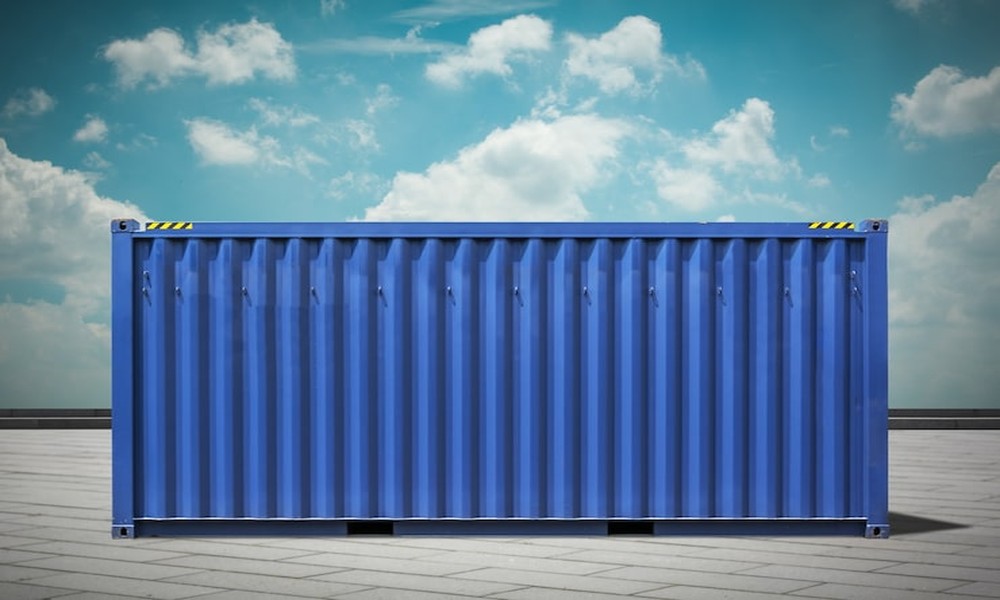
If you already know you need extra storage, a job site container, or a long-term steel unit for your property, the real question becomes how to choose the right supplier. I look at inventory quality, delivery capability, rental flexibility, and whether the company actually understands local conditions in Montana. That matters if you are placing a container in Billings, Bozeman, Gallatin Valley, or a rural property with difficult access.
One of the first things I suggest is reviewing available 20 foot shipping containers for sale before choosing a size. A 20-foot unit works for many residential and business needs because it balances storage space with easier placement on smaller properties.
Why Shipping Containers Make Sense in Montana
Montana properties often require storage that can handle weather, security concerns, and long-term outdoor use. Standard sheds and temporary structures do not always hold up well over time.
Shipping containers solve several problems at once:
- Secure steel construction
- Weather-resistant storage
- Portable placement options
- Long service life
- Flexible purchase or rental options
I usually recommend containers for people dealing with:
- Home renovations
- Farm and ranch storage
- Construction equipment storage
- Seasonal business inventory
- Moving and relocation
- Workshop or office conversions
A quality container gives you practical storage without needing permanent construction.
Choosing Between 20-Foot and 40-Foot Containers
A lot of buyers focus only on price. I think placement and intended use matter just as much.
20-Foot Shipping Containers
A 20-foot container is often the safest choice for residential and mixed-use properties.
These units work well for:
- Garage overflow
- Home remodel storage
- Construction tools
- Small business inventory
- Agricultural supplies
They also fit more easily on tighter lots.
MoCan Containers carries both new and used 20-foot units. Their inventory includes one-trip containers with minimal wear as well as used containers that still meet structural and weatherproof standards.
Another advantage is delivery flexibility. A 20-foot container generally requires around 70 feet of straight clearance for placement.
When a 40-Foot Container Is the Better Option
If storage volume matters most, a 40-foot unit usually makes more sense.
I recommend larger containers for:
- Commercial inventory overflow
- Construction companies
- Farm equipment storage
- Large seasonal operations
- Workshop conversions
- Retail or office buildouts
A 40-foot container provides close to double the storage space of a 20-foot unit.
The tradeoff is access space. Delivery generally requires about 100 feet of straight clearance.
That is why site planning matters before scheduling delivery.
Buying New vs Used Shipping Containers
A lot of buyers ask whether used containers are worth it. In many cases, they are.
New One-Trip Containers
New containers are often called one-trip containers because they only completed a single overseas shipment before resale.
These units usually have:
- Cleaner interiors
- Minimal dents
- Better paint condition
- Strong weather seals
- Lower rust exposure
I usually suggest new containers if appearance matters or if the container will support a custom project like an office, storefront, or workshop.
Used Shipping Containers
Used containers provide strong value for practical storage.
You may see:
- Surface rust
- Cosmetic dents
- Faded paint
That does not mean the container is unusable.
A properly inspected used container should still be:
- Wind tight
- Watertight
- Lockable
- Structurally sound
MoCan Containers inspects inventory carefully before sale or rental, which matters because not every supplier maintains the same standards.
Renting a Shipping Container Instead of Buying
Not every project needs permanent ownership.
Renting makes sense if you need temporary storage during:
- Construction projects
- Seasonal work
- Home moves
- Renovations
- Inventory expansion
MoCan Containers offers both short-term and long-term rentals throughout Montana.
Their pricing structure stays practical for many customers:
- 20-foot rentals start around $150 per month
- 40-foot rentals start around $190 per month
That flexibility helps businesses avoid large upfront costs.
Why Delivery Service Matters
A shipping container supplier is only as good as their delivery process.
I always tell people to ask detailed questions about placement equipment before choosing a company.
MoCan Containers uses tilt-bed trailers for delivery, which helps with accurate placement on residential, commercial, and agricultural sites.
Their drivers also review access conditions ahead of delivery.
That reduces common problems like:
- Tight turns
- Uneven placement areas
- Insufficient clearance
- Soft ground conditions
This becomes especially important in rural Montana areas where access conditions vary significantly.
Why MoCan Containers Stands Out
A lot of container suppliers operate like brokers. They sell inventory remotely and outsource most of the process.
MoCan Containers operates differently.
They maintain inventory locally in both Billings and the Bozeman area, which gives customers the ability to inspect units before purchase or rental.
I think that matters because photos rarely tell the full story with used containers.
Their locations also help support faster delivery across:
- Billings
- Bozeman
- Gallatin Valley
- Paradise Valley
- Yellowstone County
- Surrounding Montana communities
Another strength is inventory size. They maintain one of the largest container selections within a 300-mile radius.
That gives buyers more flexibility with:
- Size selection
- New versus used inventory
- Rental availability
- Modification projects
Custom Shipping Container Projects
Many buyers now use containers for more than storage.
Modified containers are becoming common for:
- Offices
- Workshops
- Garages
- Retail spaces
- Storage expansions
MoCan Containers supports custom modification projects for customers who need specialized layouts or upgraded functionality.
That can save time compared to sourcing a container from one company and modifications from another.
What I Recommend Before Ordering
Before you rent or buy a shipping container, I suggest focusing on a few practical details first.
Measure Your Access Space
Confirm:
- Straight delivery clearance
- Ground conditions
- Width restrictions
- Gate access
- Tree clearance
Decide on Long-Term vs Short-Term Use
Renting works well for temporary projects.
Buying usually makes more financial sense for ongoing storage needs.
Inspect Inventory if Possible
Being able to see containers in person helps you avoid surprises.
That is one reason local inventory matters.
Think Beyond Storage
Containers can support operational growth, workspace expansion, and long-term property organization.
The right unit often becomes more useful over time than people initially expect.