
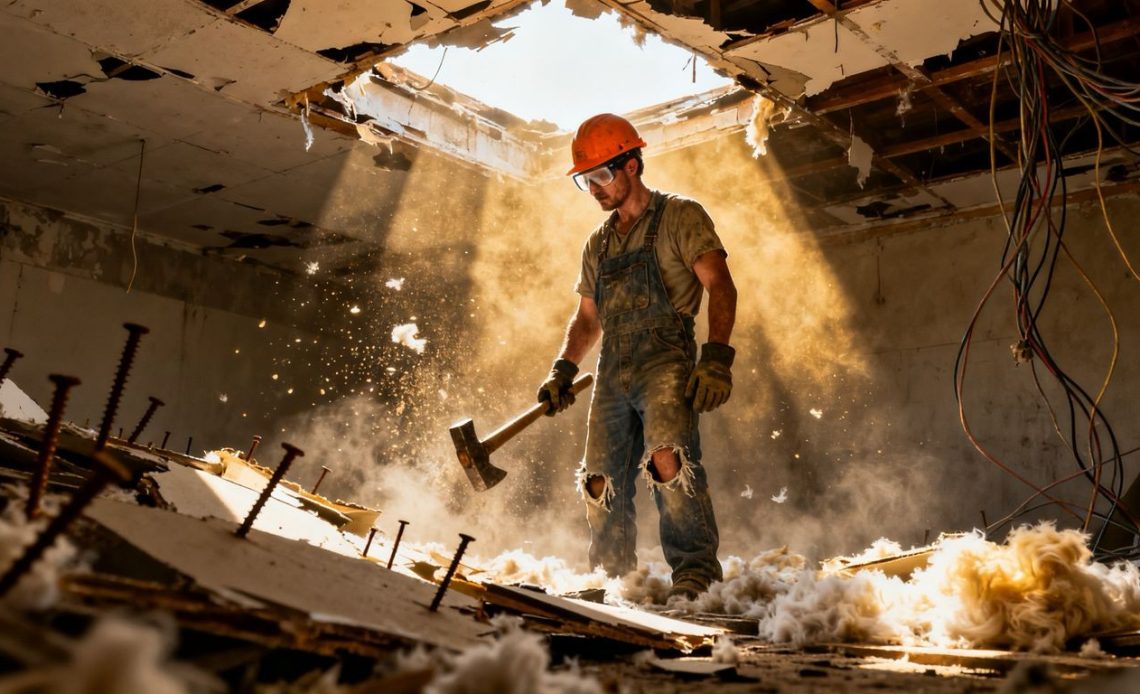
Certain jobs put individuals in direct contact with asbestos materials, significantly increasing their risk of exposure. These roles often involved the mining, processing, installation, and maintenance of asbestos-containing products. The peak exposure periods for many of these occupations were between the 1940s and 1970s, though risks persisted for decades as older materials remained in use.
Asbestos Miners and Processing Workers
Individuals working directly with raw asbestos ore faced the most intense exposure. The process of mining and milling asbestos released vast quantities of airborne fibers. Workers in these environments, particularly in regions with significant asbestos deposits, were constantly surrounded by dust. This direct handling of the mineral meant a near-certainty of inhaling microscopic asbestos particles.
Insulators
Insulators played a critical role in managing heat and sound in various industries, and asbestos was their go-to material for decades. They worked with:
- Pipe lagging
- Boiler insulation
- Duct wrapping
- Fireproofing materials
Cutting, fitting, and installing these materials generated significant dust. Even when working with pre-formed insulation, the process of securing it often disturbed existing asbestos, leading to exposure. Many insulators developed asbestos-related diseases due to this prolonged, direct contact. This field is often cited as having the highest risk of asbestos exposure.
Textile and Manufacturing Workers
Asbestos was valued in textile manufacturing for its fire resistance and insulating properties. Workers in these settings were exposed through several means:
- Handling raw asbestos fibers used in spinning and weaving.
- Operating machinery that processed asbestos-containing materials.
- Manufacturing products like asbestos cloth, insulation blankets, and protective gear.
The fine fibers could easily become airborne during production, settling on clothing and in the work environment, leading to both direct and secondary exposure for these workers.
Industrial and Power Generation Sectors
The industrial and power generation sectors were significant hubs for asbestos use, primarily because of its remarkable heat resistance and insulating properties. Workers in these environments frequently encountered asbestos materials during routine operations, maintenance, and repairs.
Power Plant and Industrial Refinery Workers
Power plants and industrial refineries, including oil and petrochemical facilities, relied heavily on asbestos for a variety of applications. These included:
- Insulating boilers, pipes, and turbines.
- Creating gaskets and seals for high-temperature equipment.
- Fireproofing structures and machinery.
Maintenance and repair tasks often involved disturbing these materials, releasing asbestos fibers into the air. Workers in these settings, such as operators and mechanics, faced a heightened risk of exposure. Studies have indicated that power plant workers had a significantly elevated risk of asbestos exposure and related health issues.
Boiler Workers
Boiler rooms were particularly hazardous environments. Boilers, steam pipes, and associated equipment were extensively insulated with asbestos materials to manage extreme temperatures and prevent heat loss. Boiler workers, including operators and maintenance staff, were constantly exposed to asbestos dust when installing, repairing, or removing this insulation. The very nature of their work, often in confined spaces with poor ventilation, meant that airborne fibers could accumulate to dangerous levels.
Steel Mill Workers
Steel mills operated under intense heat, making asbestos a go-to material for protection. It was used in various forms, such as refractory linings for furnaces, insulation for hot metal transfer equipment, and protective clothing for workers. Tasks like relining furnaces, repairing machinery, and handling hot materials meant frequent contact with asbestos-containing products. The constant presence of high temperatures and the need for robust insulation made asbestos an integral, yet dangerous, component of steel mill operations for many years.
Construction and Demolition Trades
The construction and demolition industries have historically been major sources of asbestos exposure. For decades, asbestos was a common ingredient in many building materials due to its fire-resistant and insulating properties. This meant that workers in these fields were often directly handling, cutting, or disturbing materials that contained this hazardous mineral. Even today, when older buildings are renovated or torn down, the risk of exposure remains significant if proper precautions aren’t taken.
Construction Workers
Construction workers, especially those involved in building or renovating structures erected before the 1980s, face a substantial risk. Asbestos was incorporated into a wide array of products used on job sites, including:
- Insulation for pipes, walls, and ceilings
- Roofing shingles and felt
- Flooring tiles and adhesives
- Drywall joint compounds and cement boards
- Fireproofing materials
When these materials are cut, sanded, drilled, or otherwise disturbed, microscopic asbestos fibers can become airborne and easily inhaled. This airborne dust is the primary cause of asbestos-related diseases. Many workers in this field may not have been aware of the dangers, especially in earlier decades when protective gear was minimal or nonexistent. Those working on new projects can still encounter asbestos in older building materials, and the risk is particularly high for construction workers dealing with renovations or demolitions.
Demolition Crews
Demolition crews are arguably at the highest risk within the construction sector. The very nature of their work involves breaking down structures that often contain extensive asbestos-containing materials. When buildings are demolished, these materials are pulverized, releasing a dense cloud of asbestos fibers into the air. Without specialized training and equipment, demolition workers can inhale significant amounts of these fibers. The process of dismantling older structures requires careful planning to identify and manage asbestos hazards, but unfortunately, this has not always been the case, leading to widespread exposure.
Carpenters
Carpenters, particularly those working with older materials, are also at a heightened risk. Asbestos was commonly used in various wood-like building products, such as asbestos cement siding, shingles, and even some types of plaster and drywall. Carpenters might cut, shape, or install these materials, inadvertently releasing asbestos fibers. The risk is amplified when they are tasked with removing old materials or working in confined spaces like attics or crawl spaces where asbestos insulation might be present. This exposure can lead to serious health issues over time, and carpenters are frequently identified as a high-risk group.
Transportation and Maritime Industries
The transportation and maritime sectors have historically presented significant risks for asbestos exposure. Workers in these fields often dealt with materials containing asbestos, especially during the mid-20th century when its use was widespread for insulation and fireproofing.
Shipyard Workers
Shipyards were particularly hazardous environments. Ships, both naval and commercial, were built using vast amounts of asbestos. This material was used in everything from engine rooms and boiler insulation to pipes and electrical systems. Workers were tasked with installing, maintaining, and removing these asbestos-laden components. The enclosed spaces on ships, combined with poor ventilation, meant that asbestos fibers could easily become airborne and remain concentrated. This led to a high incidence of asbestos-related diseases among shipyard personnel. Many individuals who worked in these shipyards, especially during peak construction periods from the 1940s through the 1970s, are now facing serious health consequences. For those who developed asbestos-related illnesses due to their work on older sea vessels, legal protections may be available through the Jones Act.
Automotive Mechanics
Automotive mechanics also faced considerable risk, primarily from working with brake pads, linings, and clutch components. These parts often contained asbestos up until the late 1980s. When mechanics performed tasks like replacing brakes or clutches, they would often grind or cut these materials, releasing asbestos dust into the air. This dust could settle on clothing and be carried home, posing a risk not only to the mechanic but also to their families. Without adequate protective gear or awareness of the dangers, mechanics were frequently exposed to these harmful fibers on a daily basis.
U.S. Navy Veterans
U.S. Navy veterans are a group with a notably high risk of asbestos exposure. As mentioned, naval ships were heavily reliant on asbestos for fireproofing and insulation. This meant that sailors, particularly those working in engine rooms, boiler rooms, and mechanical spaces, were constantly exposed to asbestos fibers. Beyond ships, asbestos was also used in the construction of military bases and barracks built before the 1980s. Maintenance and repair work on ships and facilities often involved disturbing these asbestos-containing materials. The long-term effects of this widespread exposure are still being seen today, with many veterans developing asbestos-related illnesses years after their service. Veterans diagnosed with mesothelioma or other asbestos-related conditions may be eligible for specific benefits and compensation through veteran affairs.
Emergency Responders and Public Safety
Emergency responders, including firefighters and other first responders, face a significant risk of asbestos exposure due to the nature of their duties. When called to fires or other emergencies in older buildings, they often encounter materials that contain asbestos. Fires themselves can damage asbestos-containing products, releasing dangerous fibers into the air. This means that even if the initial emergency isn’t directly related to asbestos, responders can still be exposed.
Several factors contribute to this heightened risk:
- Building Materials: Many structures built before the 1980s utilized asbestos for its fire-resistant properties in insulation, roofing, and flooring. When these materials are disturbed by fire, heat, or structural damage, asbestos fibers can become airborne.
- Firefighting Gear: Historically, some protective gear worn by firefighters also contained asbestos. This could lead to direct exposure during use.
- Post-Incident Cleanup: The aftermath of a disaster, including rescue and cleanup operations, can also stir up asbestos dust, exposing personnel involved.
The cumulative effect of repeated exposures over a career can lead to serious health issues, such as mesothelioma and other asbestos-related diseases. It’s a stark reminder that the bravery of these individuals often comes with unseen occupational hazards. Understanding these risks is key to implementing proper safety protocols and protective measures for those who serve the public. Asbestos exposure remains a significant public health issue, as it is definitively linked to severe respiratory illnesses and cancers [d128]. Firefighters are at a high risk of asbestos exposure due to the nature of their work. This exposure significantly increases their likelihood of developing asbestos-related diseases, including mesothelioma [87af].
Skilled Trades with High Exposure Risk
Certain skilled trades, while vital to infrastructure and maintenance, historically involved significant exposure to asbestos. Many of these materials were used for their heat resistance and durability, making them common in environments where temperature control and fire prevention were key. Workers in these fields often handled asbestos-containing products directly or worked in close proximity to them during installation, repair, or removal.
Electricians and HVAC Technicians
Electricians and HVAC technicians frequently encountered asbestos in their work. This was particularly true when dealing with older buildings and industrial facilities. Asbestos was commonly found in:
- Insulated electrical wiring and cables
- Equipment insulation, such as in furnaces and generators
- Ductwork and associated sealing materials in heating, ventilation, and air conditioning systems
Cutting, stripping, or removing these materials could release asbestos fibers into the air, posing a risk to these tradespeople. The widespread use of asbestos in building materials meant that even routine maintenance could lead to exposure. Many electricians and HVAC workers were exposed to asbestos during their careers, especially during the peak usage years of these materials [ec02].
Plumbers and Pipe Fitters
Plumbers and pipe fitters were among the trades with some of the highest risks. Their work often involved installing, repairing, and maintaining pipe systems that carried steam, hot water, or other substances in high-temperature environments. Asbestos was a preferred material for insulating these pipes due to its excellent heat resistance and affordability. Common asbestos-containing materials encountered by plumbers and pipe fitters included:
- Pipe insulation wraps and blankets
- Gaskets and seals for pipe joints and valves
- Asbestos cement used for sealing and joint compound
Disturbing these materials, whether through cutting, scraping, or removal, released microscopic asbestos fibers. The confined spaces often found in mechanical rooms and industrial settings could trap these fibers, increasing the concentration and the risk of inhalation. This exposure continued for decades, impacting many workers in this field [e01f].
Welders
Welders, along with other metal workers like tinsmiths and blacksmiths, also faced asbestos exposure. They often used equipment and materials that contained asbestos. This could include:
- Welding blankets and curtains used for fire protection
- Protective clothing and gloves
- Insulation in welding equipment and nearby structures
While not always directly handling raw asbestos, the heat generated during welding could cause asbestos-containing materials in the vicinity to break down and release fibers. This created an airborne hazard in the work environment. The use of asbestos in fireproofing and heat-resistant applications meant that many welding and metal fabrication sites had a significant presence of these hazardous materials.