
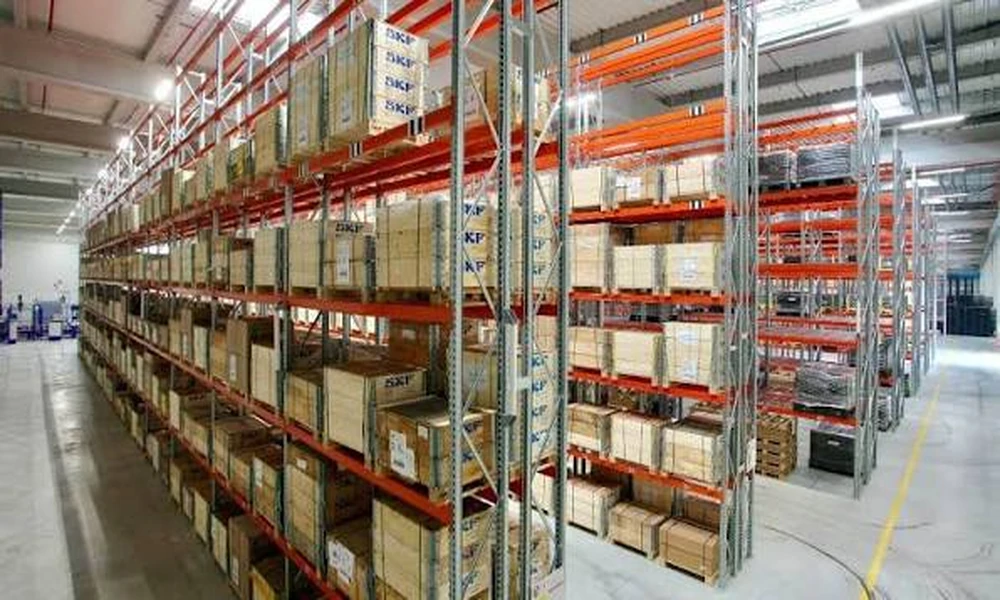
Modern corporate groups always seek superior commercial returns through smarter operations. Maximizing corporate earnings depends heavily on how companies distribute stock across localized hubs. The industry blueprint titled High Margin Inventory Procurement Strategies Redefining Regional Warehouse Supply Chain Allocations provides answers. Many firms consult experienced wholesale business brokers to optimize corporate asset trading. Shifting premium products to high-demand areas reduces unnecessary storage costs. Smart product positioning enhances overall profitability while fulfilling customer orders faster.
Moving Premium Products to High Demand Hubs
Placing highly profitable merchandise near active consumer zones maximizes immediate sales opportunities. Local fulfillment centers function better when holding premium items instead of slower-moving goods.
· Elite merchandise requires immediate dispatch from localized fulfillment nodes.
· High-value products fill storage zones to satisfy urgent orders.
· Selected items boost local revenue metrics during seasonal sales peaks.
· Premium stock items occupy top-tier racks for fast retrieval.
Strategic item placement ensures rapid turnover and higher organizational profitability.
Analyzing Customer Purchasing Behaviors for Better Logistics
Evaluating local consumption trends helps businesses forecast upcoming stock requirements accurately. Understanding what buyers want prevents companies from overstocking low-value merchandise. Data tracking reveals exact fulfillment needs for specific demographic groups nationwide. Structured consumer evaluation guides long-term distribution layout choices seamlessly.
Maximizing Commercial Returns through Proper Asset Placement
Smart spacing models maximize output by positioning valuable cargo in central zones. Organizing storage facilities efficiently ensures smooth material flow across multiple channels.
· Top-tier merchandise demands prime space inside regional fulfillment facilities.
· Profitable cargo utilizes advanced tracking tags for constant visibility.
· Expensive goods occupy secure zones near loading bays for safety.
· Luxury stock receives priority handling during incoming transport shifts.
· Quality units undergo quick inspection before hitting storage shelves.
· Premium parcels travel via rapid transit loops to destination hubs.
· Valuable cartons remain separate from standard clearance items during sorting.
· Selected boxes require immediate placement into designated delivery containers.
Enhancing Corporate Profitability with Smart Product Location
Positioning high-value items closer to buyers accelerates daily order completion rates. Increased sales velocity translates directly into stronger quarterly revenue reports for companies. Optimal product placement remains a cornerstone of modern commercial success models.
Utilizing Professional Industry Advisers For Asset Liquidation
Collaborating with external corporate specialists uncovers hidden efficiencies within complex operations. Expert wholesale business brokers assist corporations in managing surplus high-yield commercial inventory. These trained entities provide deep insights regarding current asset values nationwide. Engaging outside specialists protects an organization’s margins during difficult market shifts.
Reducing Operational Expenses In Local Fulfillment Stations
Minimizing waste inside storage structures improves overall net earnings significantly. Automation tools handle repetitive sorting tasks to lower manual labor expenditures. Energy saving lighting systems decrease monthly facility maintenance bills quite dramatically. Streamlined processing techniques eliminate costly bottlenecks during intense shipping periods.
Streamlining Material Movement Plans For Better Efficiency
Standardizing transit routes ensures shipments arrive safely without unexpected route deviations. Logistics coordinators monitor weather patterns to avoid potential transport blockages early. Combining smaller shipments into larger loads maximizes container space usage perfectly. Better routing models protect fragile items from damage during long journeys.
Eliminating Dead Stock to Prevent Unnecessary Storage
Clearing out dated merchandise frees valuable shelf space for more profitable items. Regular audit checks identify slow-moving goods before they lose total value. Discounting older models creates immediate liquidity for future capital investments. Removing stagnant items enhances overall facility productivity and organizational flow.
Establishing Sustainable Long-Term Commercial Growth
Fulfilling market demands requires absolute precision throughout the entire distribution network. Maintaining balanced product numbers prevents unexpected deficits at neighborhood distribution points. Smart business owners implement automated tracking tools to monitor shifting consumer interests. Unifying separate corporate divisions creates an agile framework capable of enduring market pressures. Adopting this organized management method secures permanent financial stability for retail firms.