
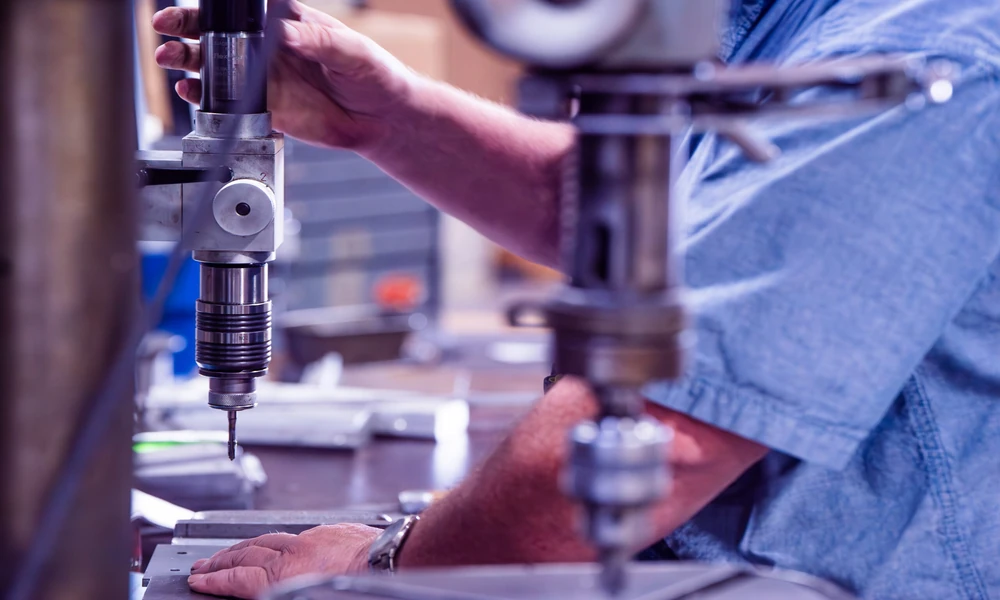
Strong production standards help companies achieve reliable output with greater control over every stage of work. Modern systems focus on reducing variation while supporting consistent part creation. The use of precision methods helps maintain close dimensional control throughout each operation. Better planning practices also improve workflow efficiency while supporting dependable quality outcomes, with thailand precision machining contributing to higher accuracy and consistent manufacturing results.
How Do Smart Controls Improve?
Smart control systems guide machine movement with greater consistency during production activities. Real-time adjustments help maintain accurate dimensions without unnecessary interruptions. Improved monitoring allows teams to respond quickly when small changes occur. This approach supports dependable output while helping maintain required quality levels across different tasks.
Improving Production Flow Consistency
Consistent workflow management helps reduce variation throughout daily operations. Organized production schedules support smoother movement between different processing stages.
- Organized workflow planning supports smooth production across daily operations.
- Stable machine settings improve repeatable output during ongoing tasks.
- Clear process coordination strengthens quality throughout manufacturing activities.
- Efficient production scheduling supports dependable completion of required work.
- Regular operational reviews maintain consistency across changing requirements.
Can Automation Enhance Accuracy?
Automation supports improved control by reducing manual adjustments during production. Advanced systems follow programmed instructions with dependable consistency. Better process tracking allows quicker identification of unwanted variation. Many organizations use thailand precision machining solutions along with automation to strengthen overall production reliability.
Strengthening Measurement Verification Methods
Accurate measurement practices help confirm that completed parts meet required specifications. Inspection activities performed throughout production support dependable quality outcomes.
- Detailed inspection routines confirm dimensional requirements remain consistently achieved.
- Reliable measuring equipment supports dependable evaluation across production stages.
- Ongoing verification practices reduce risks linked to unwanted variation.
- Accurate reporting methods improve quality tracking throughout operations.
- Structured review activities strengthen confidence in completed components.
Why Process Monitoring Matters?
Process monitoring helps maintain stable performance throughout ongoing manufacturing work. Continuous observation allows teams to detect changes before they affect output quality. Better operational visibility supports informed decision-making during production activities. Strong monitoring practices also help maintain precision standards while supporting long-term operational stability.
Reliable manufacturing performance depends on careful control across every production stage. Smart controls together with automation strengthen operational consistency while supporting accurate output. Effective monitoring practices combined with verification activities reduce unwanted variation throughout manufacturing tasks. Continued improvement efforts help organizations maintain precision expectations while achieving dependable quality results that support long-term operational success.
FAQs
How do smart controls support better manufacturing performance today?
Smart systems maintain accurate operations through continuous process adjustments.
Why is process monitoring important for production quality control?
Continuous observation helps maintain stable output across manufacturing activities.
Can automation support accurate component creation across production tasks?
Automation improves consistency while reducing unwanted operational variation.