
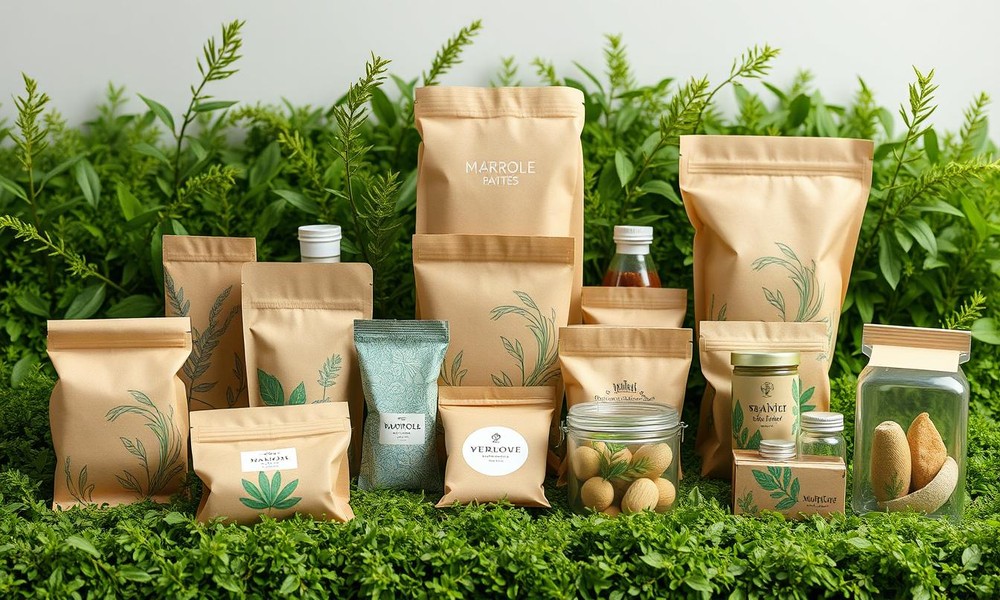
The conversation around eco-friendly custom gift packaging is no longer just a trend. It’s a full-scale transformation, orchestrated by industry leaders who see both risk and opportunity in every ribbon and recycled box. As environmental expectations surge, the future of custom packaging is being reimagined in boardrooms, startups, and design studios across the globe.
Early Trends in Eco-Friendly Custom Gift Packaging
The Rise of Sustainability in Packaging Design
Not long ago, sustainable packaging was a niche concept. Early adopters experimented with recycled paper and plant-based inks, often settling for earthy aesthetics to make a statement about their values. The movement was propelled by growing concerns about single-use plastics and mounting landfill waste.
Initial Industry Responses and Consumer Demand
It was not just boutique brands that took notice. Major players in retail and corporate gifting sensed a shift in consumer priorities. Customers began asking tough questions, demanding assurances about sourcing and recyclability. Brands that responded first, often faced skepticism about quality or pricing, but they helped set a new bar for the industry.
Challenges Faced by Early Adopters
Of course, trailblazers dealt with a learning curve: higher costs, limited material options, and supply chain hiccups. Some struggled with balancing striking designs and genuinely eco-friendly production. Yet, their struggles laid the groundwork for the waves of innovation that followed.
Technological Advances Shaping Eco-Friendly Packaging
Innovations in Biodegradable and Recyclable Materials
Fast-forward to today and material technology is propelling gift packaging into the future. Mushroom-based foams, compostable films, and upcycled fabrics have moved beyond prototypes. Industry leaders point to cellulose-based plastics and water-activated adhesives as breakthroughs, helping packaging meet both performance and sustainability benchmarks.
Digital Printing and Customization Enhancements
Digital technology has slashed the waste that once plagued custom gift packaging. Brands can now produce short runs with vivid, personalized graphics, matching the demand for unique experiences while keeping overruns out of the landfill. The ability to fine-tune designs on the fly means companies can stay agile and responsive.
Automation and Cost Efficiency Improvements
Automation is another game-changer. Robotics and streamlined workflows are bringing down costs, making eco-friendly packaging viable for small businesses and large-scale operations alike. This democratization is paving the way for a broader adoption across industries, not just in luxury gifting.
Shifting Consumer Expectations and Market Influence
Growing Awareness and Preference for Sustainable Products
Consumer awareness is at an all-time high. Today’s gift recipients want to feel good about what they give and receive. The packaging itself becomes part of the narrative: Is it reusable? Will it compost? These questions now influence everything from wedding favors to corporate thank-yous.
Impact of Social Media and Transparency Demands
Social media has become the ultimate magnifying glass. Unboxing videos, sustainability ratings, and real-time feedback push brands to be more transparent. A single tweet can highlight greenwashing, while positive attention can set a company apart as a sustainability leader.
Corporate Social Responsibility and Brand Positioning
For many companies, eco-friendly packaging is now embedded in their corporate social responsibility strategies. Gift boxes and packaging are viewed as touchpoints for brand storytelling and value alignment, not just disposable wrapping.
Voices from Industry Leaders on Current Practices
Strategies Leading Companies Are Implementing
Industry leaders are moving beyond the basics. Some are standardizing the use of post-consumer materials, while others invest in closed-loop recycling programs. Experts reference practical solutions like Zero Waste Hero custom gift boxes, which showcase how aesthetics and eco-responsibility can work together seamlessly.
Balancing Aesthetics with Environmental Impact
Balancing eye-catching design with minimal environmental impact remains a top priority. The best in the business rely on subtle textures, natural dyes, and modular designs that minimize waste but elevate the gifting experience.
Collaborations and Partnerships Driving Change
Partnerships with local artisans and nonprofit organizations allow companies to amplify their impact. These collaborations foster innovation and help smaller players scale their sustainability efforts.
Future Predictions for Eco-Friendly Custom Gift Packaging
Emerging Materials and Green Technologies on the Horizon
Industry insiders are optimistic about upcoming materials like algae-based films and smart biodegradable tags. Packaging that can purify air or track its own end-of-life journey is moving from concept to reality.
The Role of Circular Economy Principles
There is a growing consensus that the future lies in circularity. Packaging will not just be recyclable but designed for continuous reuse or regeneration, closing the loop on waste entirely.
Integration of Smart Packaging and Consumer Interaction
Smart packaging is poised to transform how gifters and recipients interact. QR codes, augmented reality, and embedded sensors will enhance both transparency and experience, creating a powerful blend of utility and engagement.
Strategic Implications for Brands and Designers
Adapting to Regulatory Changes and Certifications
Regulations are tightening. Brands are preparing for stricter guidelines and seeking out certifications to reassure eco-conscious clients. Keeping ahead of these rules is becoming a competitive advantage.
Investment in Sustainable Supply Chains
Long-term investment in sustainable sourcing and logistics is no longer optional. Companies that can trace every component back to its origin are setting new industry standards.
Educating Consumers and Building Loyalty Through Packaging
Brands are finding that educating consumers about their packaging decisions builds loyalty. When recipients understand the why behind the design, they’re more likely to appreciate and advocate for the brand.
The Long-Term Evolution: From Eco-Friendly to Regenerative Packaging
Moving Beyond Sustainability: Regeneration in Packaging Design
Some leaders are aiming higher than sustainability. Regenerative packaging seeks to restore the environment, not just reduce harm. Imagine gift boxes that plant seeds or enrich soil after use.
Potential Industry Transformations Over the Next Decade
Over the next ten years, expect major shifts. As technology evolves and circular practices become mainstream, the divide between eco-friendly and traditional packaging will shrink further, possibly disappearing altogether.
The Vision for a Zero-Waste Packaging Future
In the end, the real ambition is a zero-waste world, where every gift box is part of a regenerative cycle. For industry leaders shaping this future, it’s about more than packaging. It’s about responsibility, innovation, and leaving the planet better than they found it.