
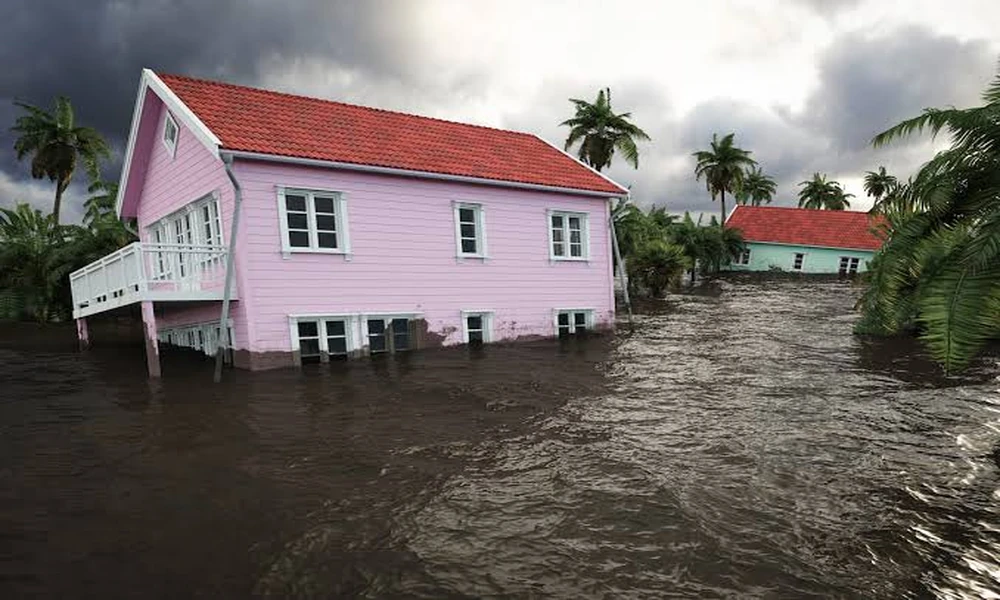
Living on the Gulf Coast means living with the weather. Heavy rain, tropical storms, and sticky humidity are part of life, and every so often they leave a mark on your home. When that happens, one of the most important decisions you’ll make is who to trust with the cleanup and repairs.
Hiring the right Mobile restoration company can make a stressful situation far more manageable, while a poor choice can mean delays, hidden problems, and insurance headaches. Here is what to look for.
Why Local Knowledge Matters
Restoring a home in a humid, storm-prone region is different from working in a dry climate. Moisture lingers longer, mold develops faster, and storm events can affect entire neighborhoods at once, which strains local resources.
A company that works in your area regularly understands these conditions. They know how building materials common in local homes respond to water, how quickly to move to prevent mold, and how to work with area insurers. Local firms also tend to arrive faster, since they aren’t traveling from far away.
Check Licensing, Insurance, and Certifications
Before you sign anything, confirm that the company is properly licensed where required, carries liability insurance, and has workers’ compensation coverage. Ask for proof. If an uninsured worker is injured on your property or something is damaged during the work, you don’t want to be responsible.
Industry certifications are also worth asking about. Training from recognized organizations in water damage restoration, mold remediation, and structural drying shows that technicians follow accepted standards rather than improvising.
Look for 24/7 Emergency Availability
Water damage doesn’t wait for business hours. Pipes burst at night, storms hit on weekends, and the first few hours matter. A dependable restoration company should offer round-the-clock emergency response and be able to tell you roughly when a crew will arrive.
When you call, pay attention to how the phone is answered. A calm, informed person who asks about the situation and gives clear next steps is a good sign.
Ask About Their Equipment and Process
Professional restoration requires specialized tools, including industrial pumps, air movers, dehumidifiers, moisture meters, and thermal imaging. Ask how they determine when a structure is truly dry. The right answer involves measured moisture readings tracked over time, not simply “it feels dry.”
A reputable company will explain its process: assessment, water extraction, removal of damaged materials, drying, cleaning, and, if needed, reconstruction. They should be able to answer your questions without jargon or evasiveness.
Understand Their Approach to Insurance
Many restoration companies work directly with insurance providers, which can simplify the claim process. Ask whether they will provide detailed documentation, including photos, moisture logs, and itemized estimates. Good records speed up approvals and reduce disputes.
Be cautious, though. You have the right to choose your own contractor, and no company should pressure you into signing over your claim or making commitments before you understand the terms. Read everything carefully before signing.
Get Written Estimates and Clear Terms
Request a written estimate that explains the scope of work, materials, timeline, and costs. Water damage can reveal hidden problems once walls or floors are opened, so ask how changes to the scope will be handled and communicated.
Compare more than the bottom line. A low price may leave out important steps, while a high one isn’t automatically better. What matters is that the estimate matches the actual needs of your home and that the company is transparent about pricing.
Read Reviews and Ask for References
Online reviews offer useful insight into how a company treats customers. Look for patterns rather than individual comments: consistent praise for responsiveness, communication, and quality, or repeated complaints about missed appointments and unexpected charges.
Ask for references from past clients, and ask about similar projects. A confident company will be happy to provide them.
Consider One Team for Cleanup and Rebuilding
Some companies handle only the emergency drying, leaving you to find another contractor for repairs. Others provide both. Working with one team can streamline the process, reduce finger-pointing between contractors, and keep the timeline tighter. If you prefer separate contractors, make sure the mitigation company documents everything clearly so the rebuilding team can pick up where they left off.
Watch for Red Flags
Be wary of:
- Door-to-door solicitors who appear after a storm with urgent offers
- Requests for large upfront payments
- Vague or verbal-only estimates
- Pressure to sign immediately
- Unwillingness to show licenses or insurance
- No physical address or local presence
Storms attract opportunists, so take a moment to verify who you’re dealing with.
Prepare Before the Next Storm
You don’t have to wait for disaster to do some research. Identify a few local restoration providers, save their numbers, and review your insurance policy so you know what’s covered. Learn where your water shutoff valve is, and consider photographing your home and valuables for records. A little preparation shortens response time when something goes wrong.
Final Thoughts
Choosing a restoration company is about more than finding someone who can show up quickly. It’s about finding a team with local experience, proper credentials, transparent pricing, and a commitment to doing the job thoroughly. Take the time to ask questions and verify answers. With the right professionals on your side, you can move from crisis to recovery with confidence and get back to normal sooner.