
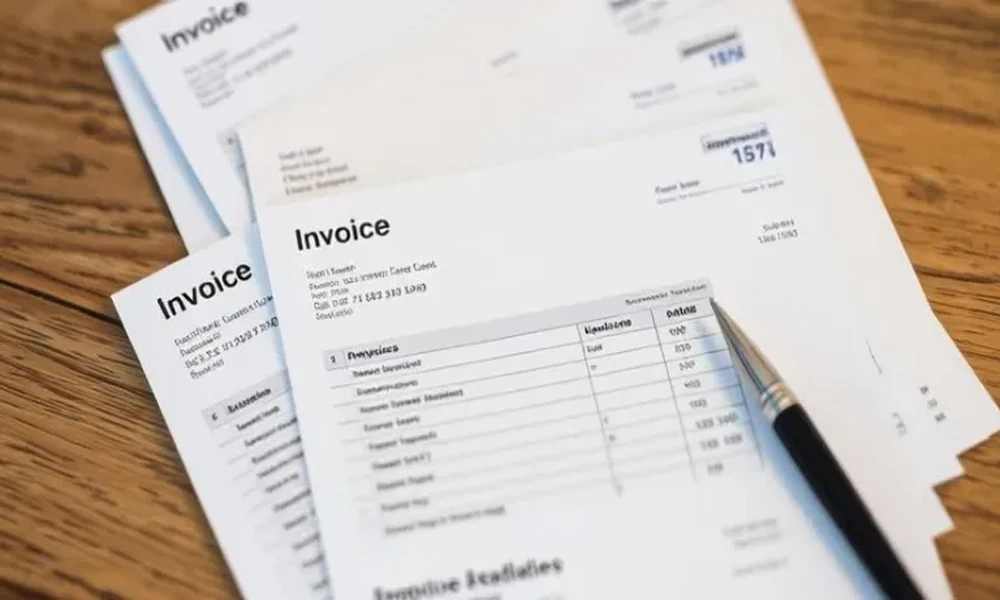
Getting international customs clearance right is very important. It helps keep the global supply chain going and lets you make money. People who move goods across countries, big importers, and managers need to clear entry ports fast. This happens when transport papers are filled in well. Border authorities in each area use sales data to look at tariffs, follow safety rules, and check for any risks. If needed data is not there or if goods’ details are not clear, borders will hold the goods. This brings extra storage costs and makes customers upset.
For a lot of goods shipping from japan to usa, it is important to follow clear steps for making your commercial invoice. This helps you avoid problems at customs. It also makes the shipping time faster from one door to the other.
1. Core Anatomy of a Compliant Commercial Invoice
A commercial invoice is the main sales paper used between an exporter and an importer. To follow the rules, it must have line-item details in three sections.
2. Three Invoicing Errors That Trigger Customs Delays
Customs brokers and border agencies go over business papers with online data tools. There are three mistakes people make when they put together these papers. These mistakes cause most shipping to be held up.
1. Vague Item Descriptions
Using words like “electronics,” “samples,” or “machine parts” can cause customs to hold your package quickly. The people who check the shipments need clear info about each item. They want to know what the item is, what it’s made from, and how it will be used. For example, use “Men’s knitted 100% cotton crewneck sweaters” instead of just “Apparel”.
2. Inaccurate Customs Valuation
When people say a product is worth less than it really is, they want to pay less in tariffs. This is not allowed by the World Trade Organiza t ion (WTO) rules about prices. Border agents check what the product is and then look at the values from other places in the world. If they see that the value is very low, there can be another check of the price. This can also lead to more taxes or, in some cases, they can take all the goods.
3. Missing or Incomplete HS Codes
If you do not use the usual 6-to-10 digit Harmonized System (HS) code, border officers will need to check your cargo by hand. This can cause mistakes in the duty rates. It can also keep your items stuck at the border for more time.
3. Essential Invoicing Protocol Checklist
Have a look at this compliance checklist before you pass your international freight to your logistics carrier.
| Required Invoice Data | Strategic Compliance Function | Common Audit Pitfall |
|---|---|---|
| Incoterms (e.g., DDP, FOB) | Establishes financial liability for freight, insurance, and duties. | Omission causes confusion over who pays port clearance fees. |
| Country of Origin (COO) | Determines eligibility for preferential trade tariffs or quotas. | Confusing the country of shipment with the manufacturing origin. |
| Complete Address Details | Identifies legal entities, tax IDs, and physical delivery locations. | Providing P.O. Box addresses instead of physical site locations. |
| Itemized Financial Totals | Discloses unit cost, subtotal, shipping fees, and currency code. | Discrepancies between air waybill totals and invoice line items. |
4. Standardizing Digital Customs Clearance
Modern global logistics networks are changing quickly. They are switching to digital and paperless ways to do clearance work.
- Use Pre-Approval Platforms: You can upload your digital commercial invoices and certificates right into your carrier’s shipping portal before you send out your cargo.
- Automate Tariff Matching: Use global trade tools that run on their own. These tools help you make sure your HS codes match the tariffs for where the items will go.
- Look at Supplier Invoices: Set up the same invoicing templates for all your vendors in other countries. This makes sure the data stays the same for all shipments.
Making sure you have the right papers for each trade route is important. This matters when you set up shipping from Japan to USA for a long time. Doing this helps the supply chain stay strong. It also makes it easy to pass audits and follow rules.