
Power outages make businesses lose a lot of money every minute. They cause work to stop, tools to break, and data problems. Choosing a backup power system is not just about being careful. It is a big plan to keep the business running. But finding the right size for your generator is not just about looking at one number from your electric bill.
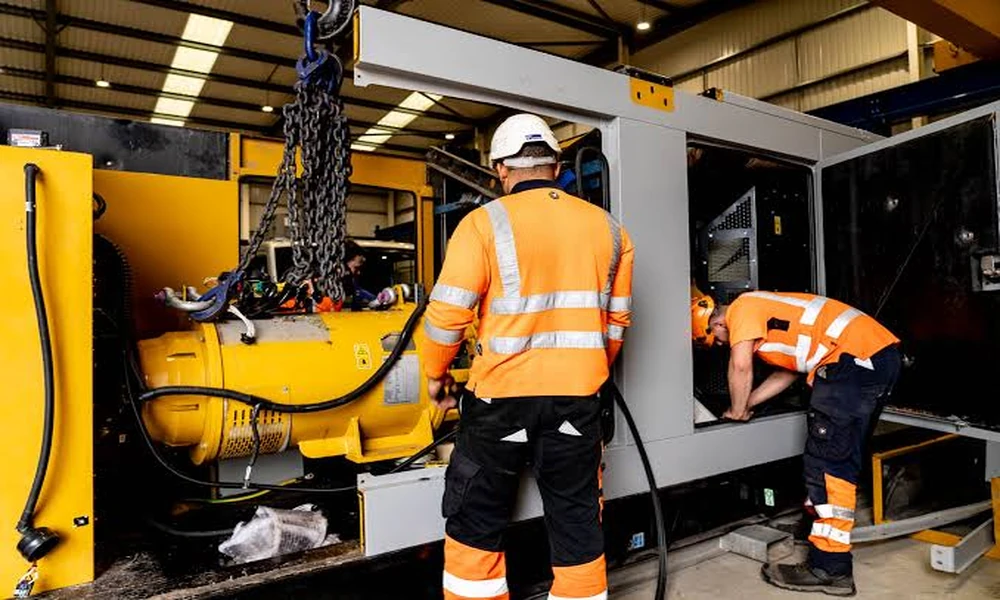
To make sure you do not spend too much while keeping everything running, medium to large places often use heavy-duty commercial machines. A 500kva generator gives the right amount of power to keep big machines, server rooms, and key HVAC systems working at the same time. This way, circuits do not get overloaded and turn off. If you know how to check your basic power needs, you can pick a unit that keeps giving good power, even when things get busy.
1. Map Your Total Power Requirements
Before you go out to buy any equipment, make a list of all important electrical things that need to stay on if the power goes out.
- Essential Utilities: Security systems, emergency lights, doors that open by themselves, and fire safety systems.
- Climate Control: Central air conditioning systems, refrigeration systems, and fans for cooling required to protect the inventory or servers.
- Operation Equipment: Conveyor assembly systems, refrigerators or equipment used in commercial kitchens.
- IT Setup: On-site servers, switches for computers, groups of workstations, and power supply to keep things running with no stop.
After you make a list of these items, look at their nameplates to find out who made each one. Or, you can ask an electrician for help. You will need to write down two numbers for every item. These are the Running Watts and the Starting Watts.
2. Distinguish Between Running Watts and Starting Watts
One of the most common sizing mistakes is not thinking about motor startup surges.
Running (Continuous) Watts: The constant wattage consumed by a device to remain operating once it has been turned on.
Starting (Surge) Watts: An initial boost of electrical energy necessary to kick-start the electric motors in devices such as air conditioners, pumps, and construction machinery. This initial surge is sometimes twice or even thrice the running watts.
Your generator has to be able to deal with the total ongoing power your place needs. It also has to handle the biggest extra push that starts up at any time in your building.
3. Account for Generator Load Limits and Future Growth
Generators run best when used between 70% and 80% of their top-rated power. If you run a generator at full power for a long time, it wears out the engine. It also uses more fuel and can shut off by itself if there is a sudden rise in load.
To keep things running well, add a 20% safety and growth buffer to your total wattage. This buffer helps the generator work in its best range. It also gives you some extra power if you want to put in new equipment as your company gets bigger.
Generator Sizing Quick Reference
| Business Scale | Typical Facilities | Typical Power Range | Key Powered Equipment |
|---|---|---|---|
| Small Commercial | Retail shops, small offices, clinics | 20 kW – 50 kW | Lighting, POS systems, small HVAC, computers |
| Medium Commercial | Supermarkets, large restaurants, warehouses | 60 kW – 150 kW | Walk-in freezers, mid-sized HVAC, inventory systems |
| Large Industrial | Factories, data centers, regional hospitals | 300 kW – 500 kW+ | Heavy production lines, industrial chillers, server halls |
Choosing the Right Fuel Source
Capacity is one part of the answer. The other part is having fuel. The fuel you have decides how long you can run things during a long emergency.
- Diesel: The regular choice for jobs that need a lot of power all the time. It uses less fuel, the engine lasts a long time, and it responds fast when starting heavy loads.
- Natural Gas: Good for places in big cities where pipes are close by. It has cleaner air outputs and there is no need to keep fuel on-site.
- Bi-Fuel / Dual Fuel: Uses the good sides of natural gas and diesel. It lets businesses keep working even if the fuel supply changes.
Practical Business Continuity
Making sure your emergency power is the right size helps you stay away from big costs. If you buy the wrong one, you could get a unit that is too small and stops working when there are heavy loads. If you choose one that is too big, it uses more fuel and the engine could get damaged when not used fully. A well-chosen 500kva generator or another high-quality unit keeps your power running, protects your money, and keeps your business going strong even when the power from the grid is not steady.